
P6 Adaptations Worksheet 1
Adaptations · 20 MCQs + 6 open-ended · 70 marks
Created by Miss Clarissa Ng · www.clartutors.com
Name: Class: Primary ___ Date: Marks:
Instructions
1. Section A has 20 questions. Each question carries 2 marks — circle the letter of the one best answer.
2. Section B has 6 questions worth 30 marks in total, 5 marks each. Answer in the space provided.
3. When a question asks you to explain, give the reason: say what the structure or behaviour does, and then how that helps the organism survive. A part worth 2 marks needs both of those points written out.
4. The marks for each part are shown in brackets. Answer in the space provided.
Section A — Multiple Choice (20 questions · 2 marks each)
1.
Which of the following is a behavioural adaptation?
A. a polar bear's thick layer of blubber
B. a bear sleeping through the winter months
C. a cactus having spines instead of leaves
D. a duck having webbed feet
2.
The photograph shows a stick insect resting on a twig. Its body is long, thin and brown, and it has the same shape as the twig it sits on.
Which statement is correct?
Which statement is correct?
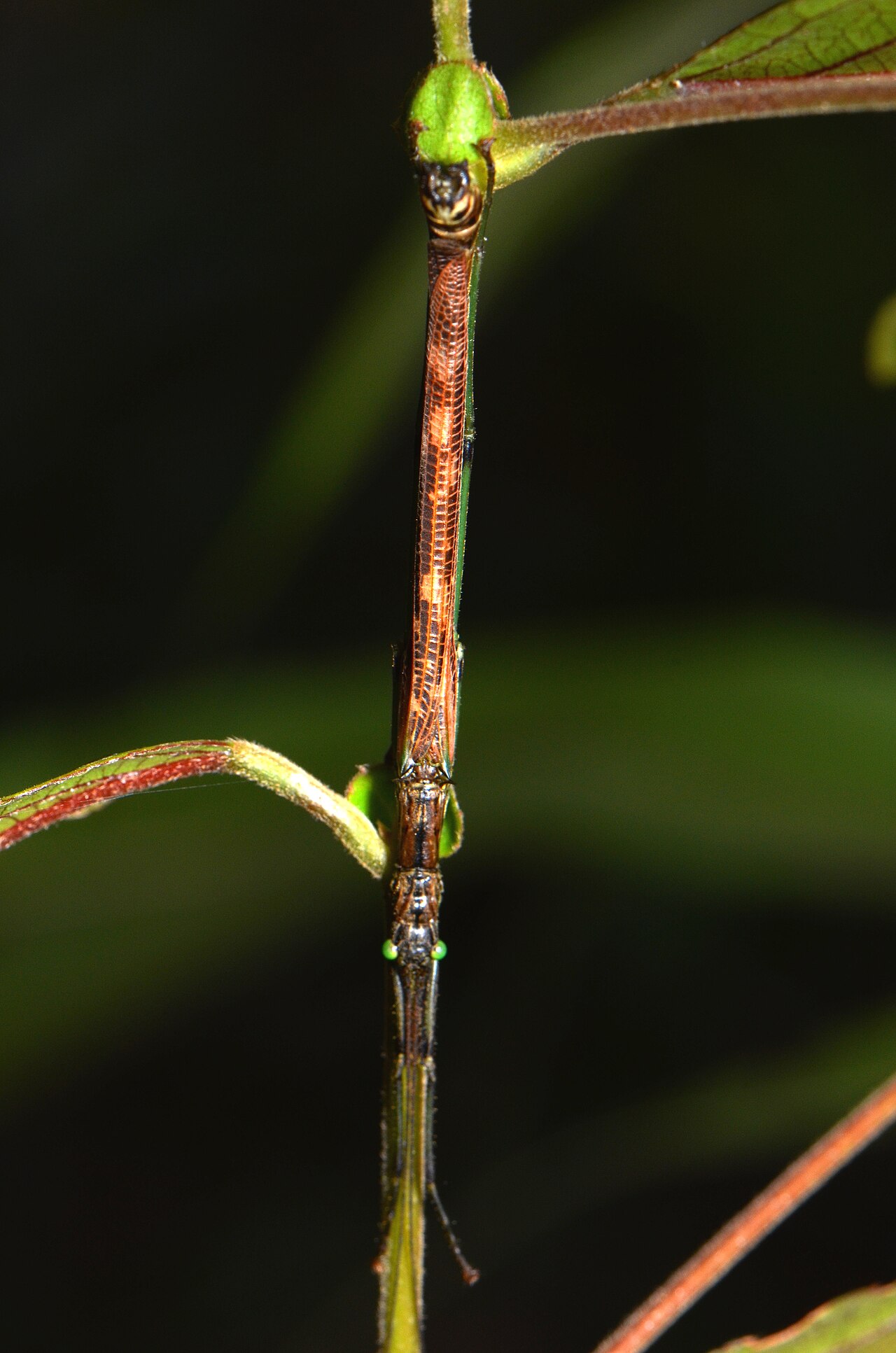
Photo: Pavel Kirillov from St.Petersburg, Russia · Wikimedia Commons · CC BY-SA 2.0
A. This is a structural adaptation that helps it hide from predators.
B. This is a behavioural adaptation that helps it hide from predators.
C. This is a structural adaptation that helps it keep warm.
D. This is a behavioural adaptation that helps it obtain food.
3.
An earthworm stays underground during the day and comes to the surface at night.
Which of the following best describes this?
Which of the following best describes this?
A. a structural adaptation for obtaining food
B. a behavioural adaptation for avoiding predators
C. a structural adaptation for keeping warm
D. a behavioural adaptation for obtaining more light
4.
One plant has sharp thorns on its stems. Another plant folds its leaves up quickly when it is touched.
Which statement about these two adaptations is correct?
Which statement about these two adaptations is correct?
A. Both are structural adaptations.
B. Both are behavioural adaptations.
C. The thorns are structural; folding the leaves is behavioural.
D. The thorns are behavioural; folding the leaves is structural.
5.
A hoverfly has yellow and black bands across its body, like a wasp, but it has no sting. Birds that have been stung by wasps leave it alone.
How does this colouring help the hoverfly?
How does this colouring help the hoverfly?
A. It warns predators away by looking like a dangerous animal.
B. It makes the hoverfly look like the flower it feeds on.
C. It helps the hoverfly lose heat quickly in the sun.
D. It helps the hoverfly attract a mate.
6.
The leaves of some plants contain a bitter-tasting sap, and their sap is also sticky.
How does this help the plant to survive?
How does this help the plant to survive?
A. It helps the plant trap more light.
B. It stops animals from eating the leaves.
C. It helps the plant take in more water from the soil.
D. It helps the seeds be carried further away.
7.
When a predator comes close, an opossum rolls over, lies still and lets its tongue hang out.
Which of the following describes this adaptation?
Which of the following describes this adaptation?
A. a structural adaptation — its body colour hides it
B. a behavioural adaptation — it pretends to be dead
C. a structural adaptation — its stiff body protects it
D. a behavioural adaptation — it builds a hiding place
8.
The photograph shows a hummingbird hovering at a flower. It has a long, thin beak.
What is the purpose of its beak?
What is the purpose of its beak?
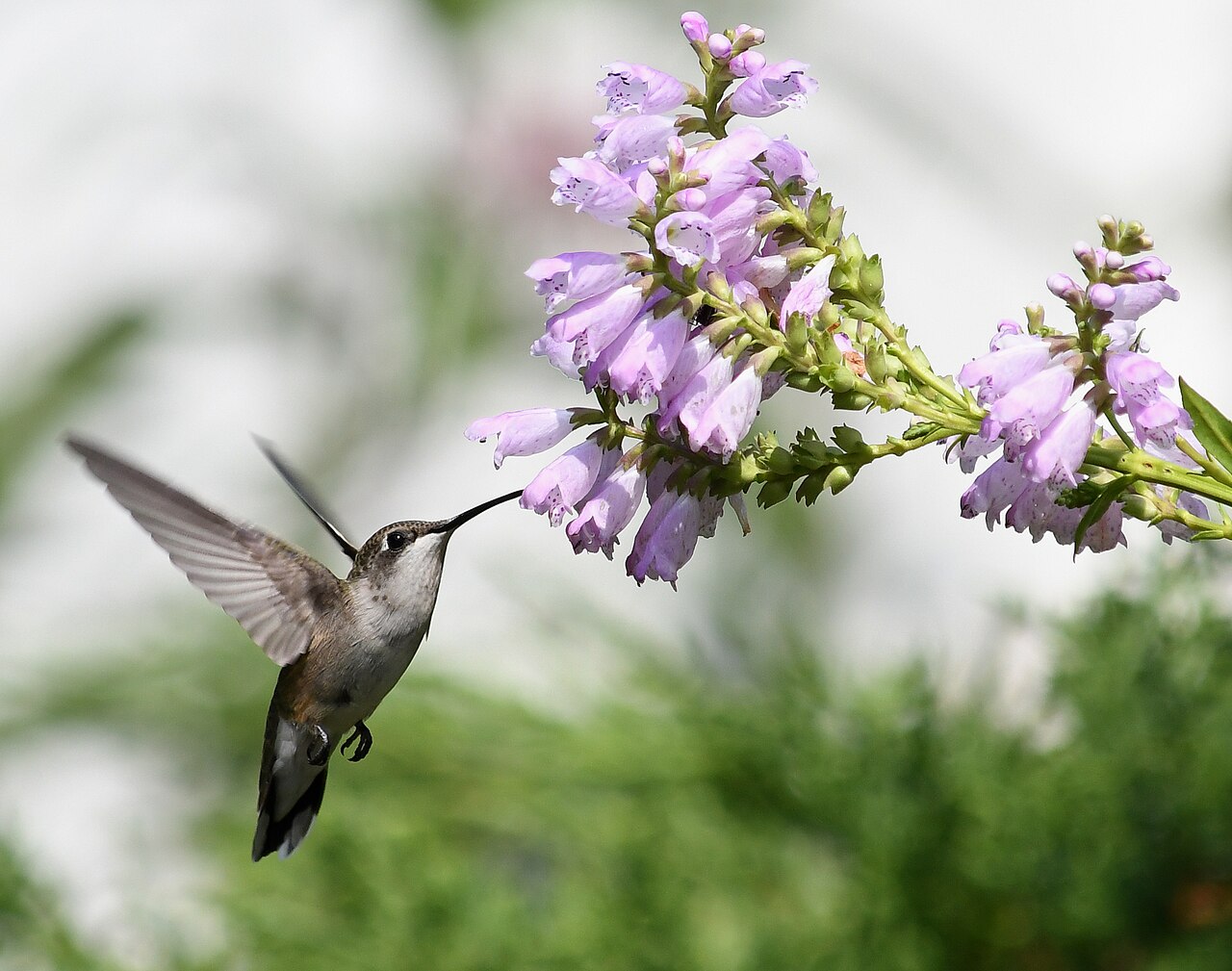
Photo: U.S. Fish and Wildlife Service - Midwest Region · Wikimedia Commons · public domain
A. to crack open hard seeds
B. to reach deep inside the flower for nectar
C. to tear flesh from its prey
D. to sieve small animals out of the water
9.
A praying mantis is green and stays very still on green leaves. It has strong front legs with sharp spines that snap shut on other insects.
Which part of this description helps the mantis to obtain food?
Which part of this description helps the mantis to obtain food?
A. its green colour
B. staying very still on green leaves
C. its strong front legs with spines
D. living on green leaves
10.
The photographs show four birds, A to D.
Which bird is best adapted to crack open hard seeds?
Which bird is best adapted to crack open hard seeds?
A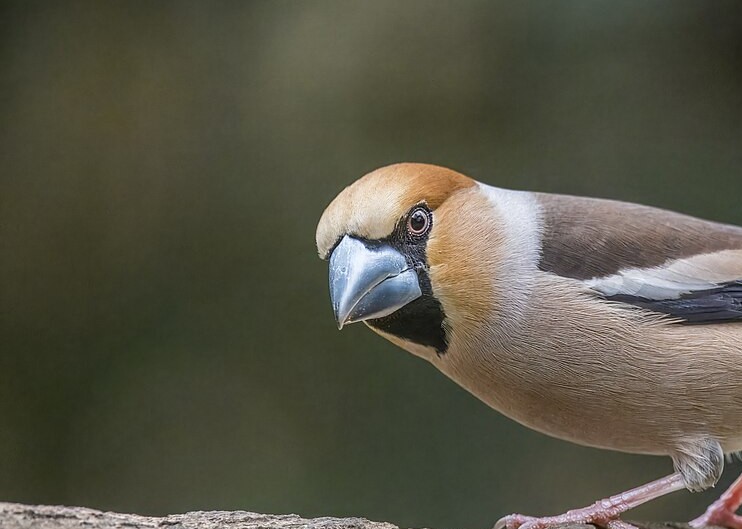
B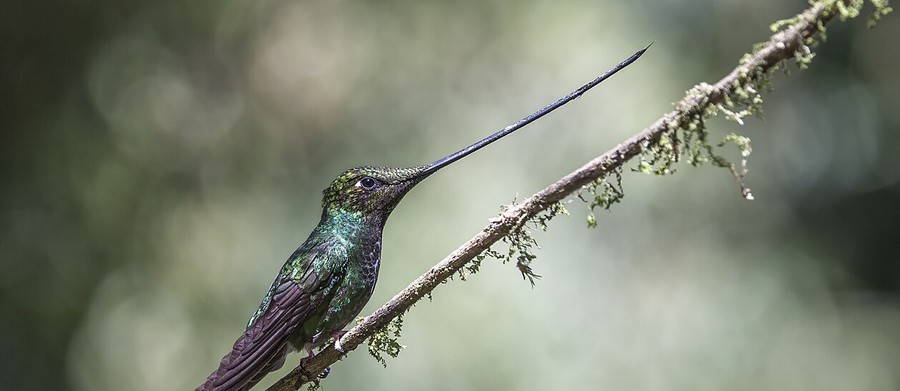
C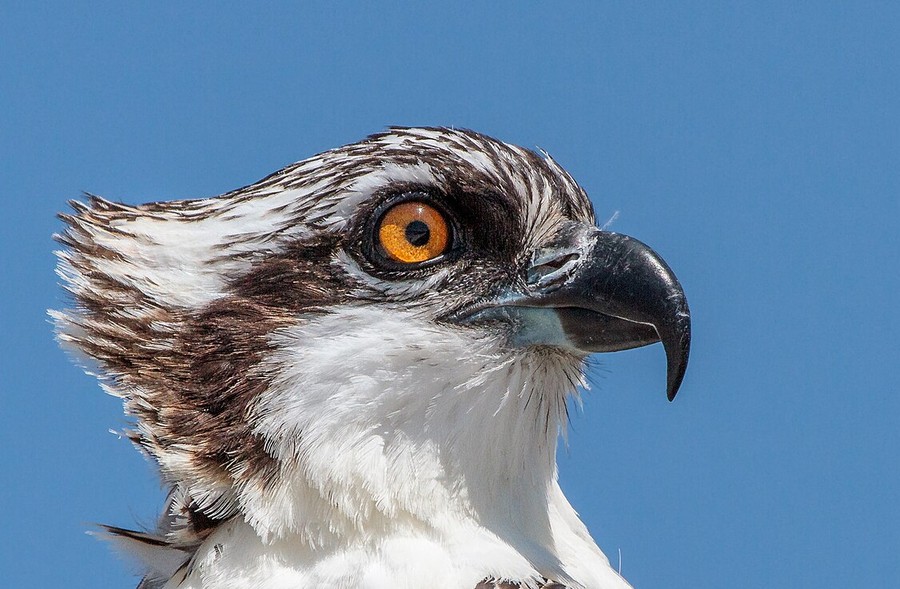
D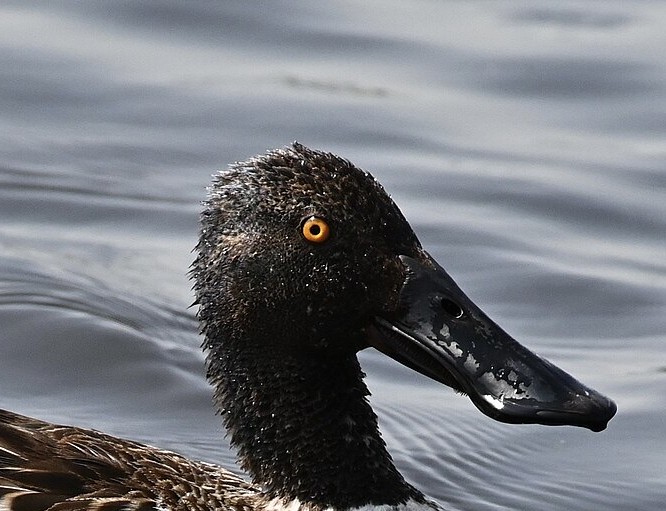
Photos: Charles J. Sharp (CC BY-SA 4.0); Andy Morffew from Itchen Abbas, Hampshire, UK (CC BY 2.0); SwiftlyGinger (CC BY-SA 4.0) · Wikimedia Commons
A. bird A, with a short, thick, strong beak
B. bird B, with a long, thin beak
C. bird C, with a hooked, sharp beak
D. bird D, with a broad, flat beak
11.
A fish has a streamlined body covered in a layer of slime, and it has fins.
How do these adaptations help the fish?
How do these adaptations help the fish?
A. They help it move easily through the water.
B. They help it keep warm in cold water.
C. They help it hide from predators.
D. They help it take in more oxygen from the water.
12.
Birds have hollow bones and a body that is light for its size.
Why is this important?
Why is this important?
A. It reduces the bird's body mass, so it needs less energy to lift into the air.
B. It keeps the bird warm at high altitudes.
C. It allows the bird to stay underwater for longer.
D. It makes the bird harder for predators to see.
13.
The photograph shows a camel standing in the desert. A camel stores fat in the hump on its back.
How does the hump help the camel to survive in the desert?
How does the hump help the camel to survive in the desert?
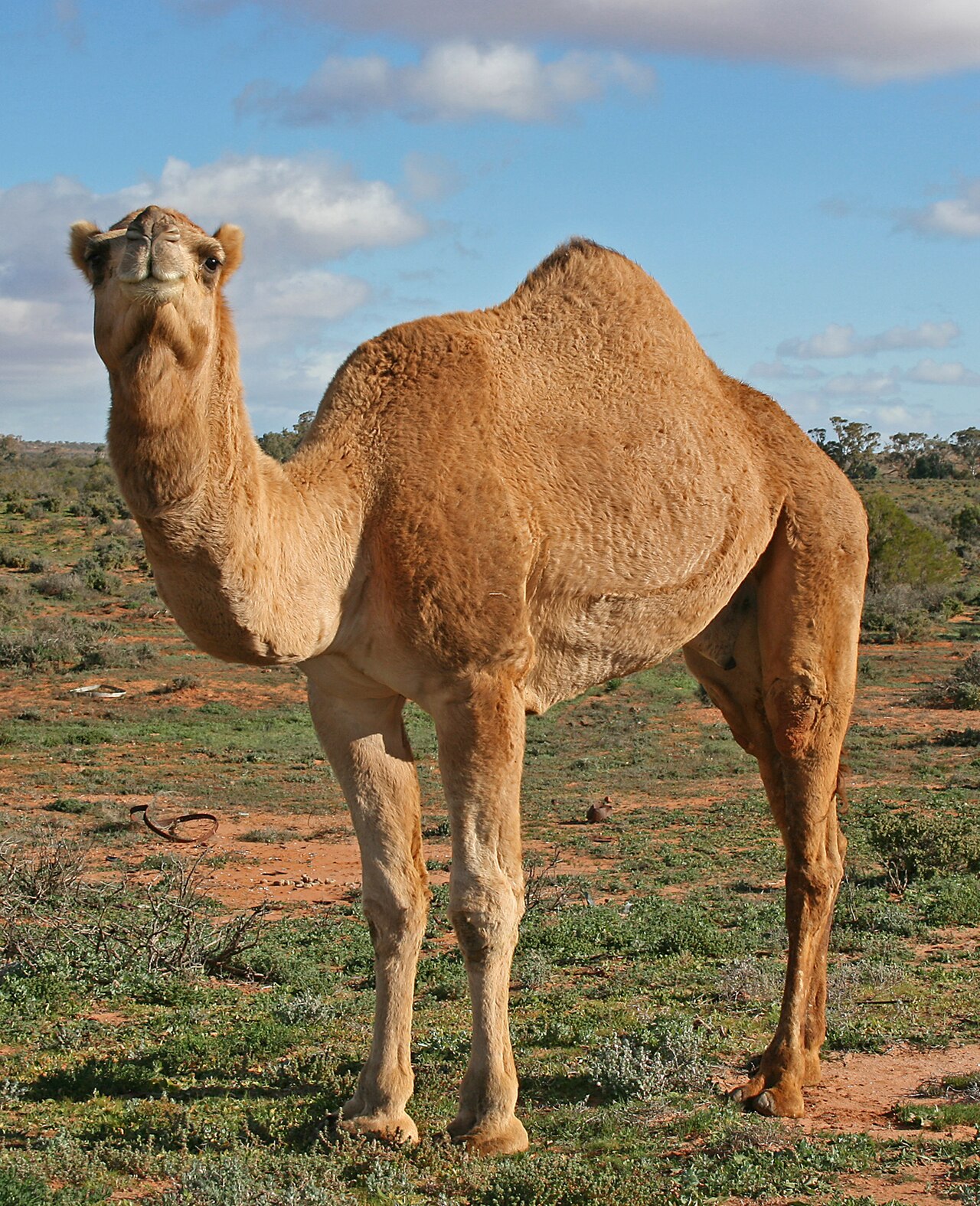
Photo: Jjron · Wikimedia Commons · CC BY-SA 3.0
A. It stores food for the camel to use when food is scarce.
B. It helps the camel lose heat quickly.
C. It takes in extra water from the air.
D. It protects the camel from sandstorms.
14.
The photograph shows a polar bear on sea ice. It has a thick layer of fat under its skin and white fur.
How does the thick layer of fat help it to survive in the Arctic?
How does the thick layer of fat help it to survive in the Arctic?
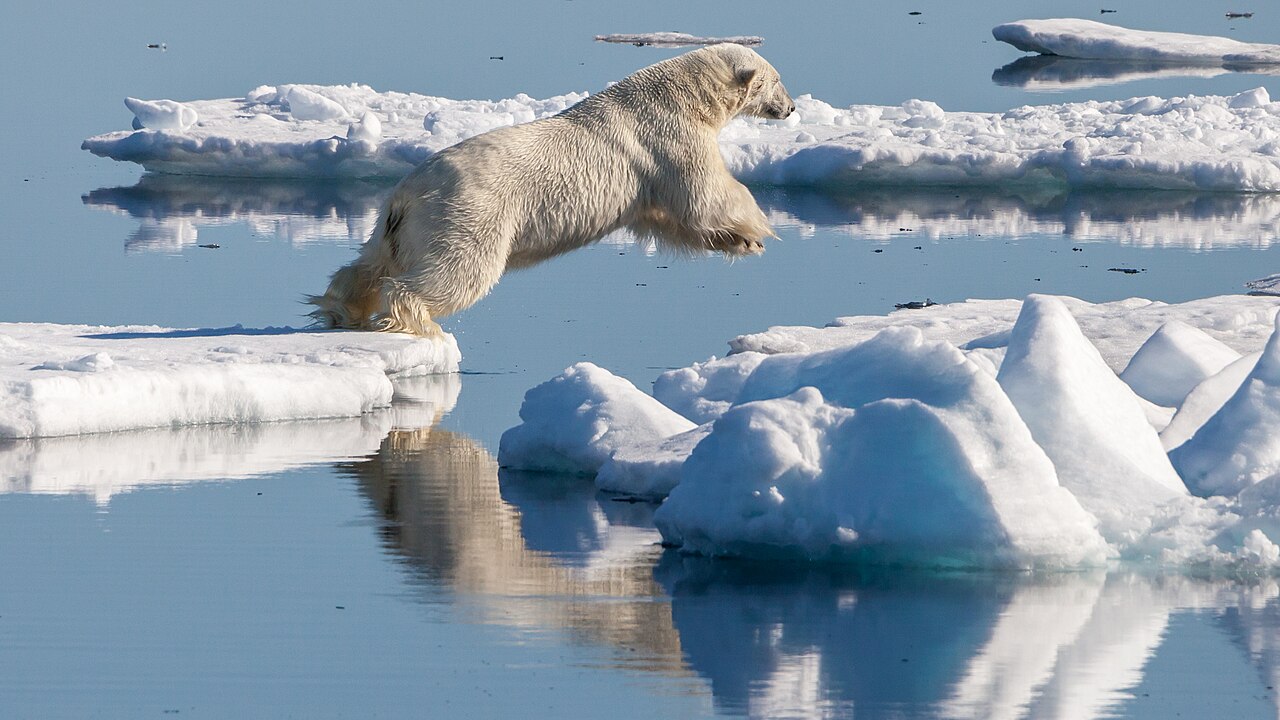
Photo: Andreas Weith · Wikimedia Commons · CC BY-SA 4.0
A. It reduces heat loss, keeping the bear warm.
B. It helps the bear float on sea water.
C. It helps the bear give out more heat.
D. It helps the bear move faster over the ice.
15.
A desert fox has very large, thin ears with many blood vessels near the surface.
How do large ears help the fox in a hot desert?
How do large ears help the fox in a hot desert?
A. They help the fox lose heat faster, so it keeps cool.
B. They help the fox keep more heat in, so it stays warm.
C. They help the fox hear its prey far away.
D. They store fat for when food is scarce.
16.
A water beetle carries a bubble of air under its wing-cases when it dives.
Why does the beetle do this?
Why does the beetle do this?
A. It gives the beetle a store of air to breathe while it is under water.
B. It helps the beetle float back to the surface.
C. It helps the beetle keep warm in cold water.
D. It helps the beetle see under water.
17.
A fish takes in air through its gills. A cockroach takes in air through spiracles along the sides of its body.
Which statement is correct?
Which statement is correct?
A. The gills take in dissolved air from the water; the spiracles take in air from the surroundings.
B. Both the gills and the spiracles take in dissolved air from water.
C. The gills take in air from the surroundings; the spiracles take in dissolved air.
D. Both the gills and the spiracles take in air only when the animal is moving.
18.
The photograph shows a cactus. It has spines instead of broad leaves, and a thick fleshy stem.
How do the spines help the cactus to survive in the desert?
How do the spines help the cactus to survive in the desert?
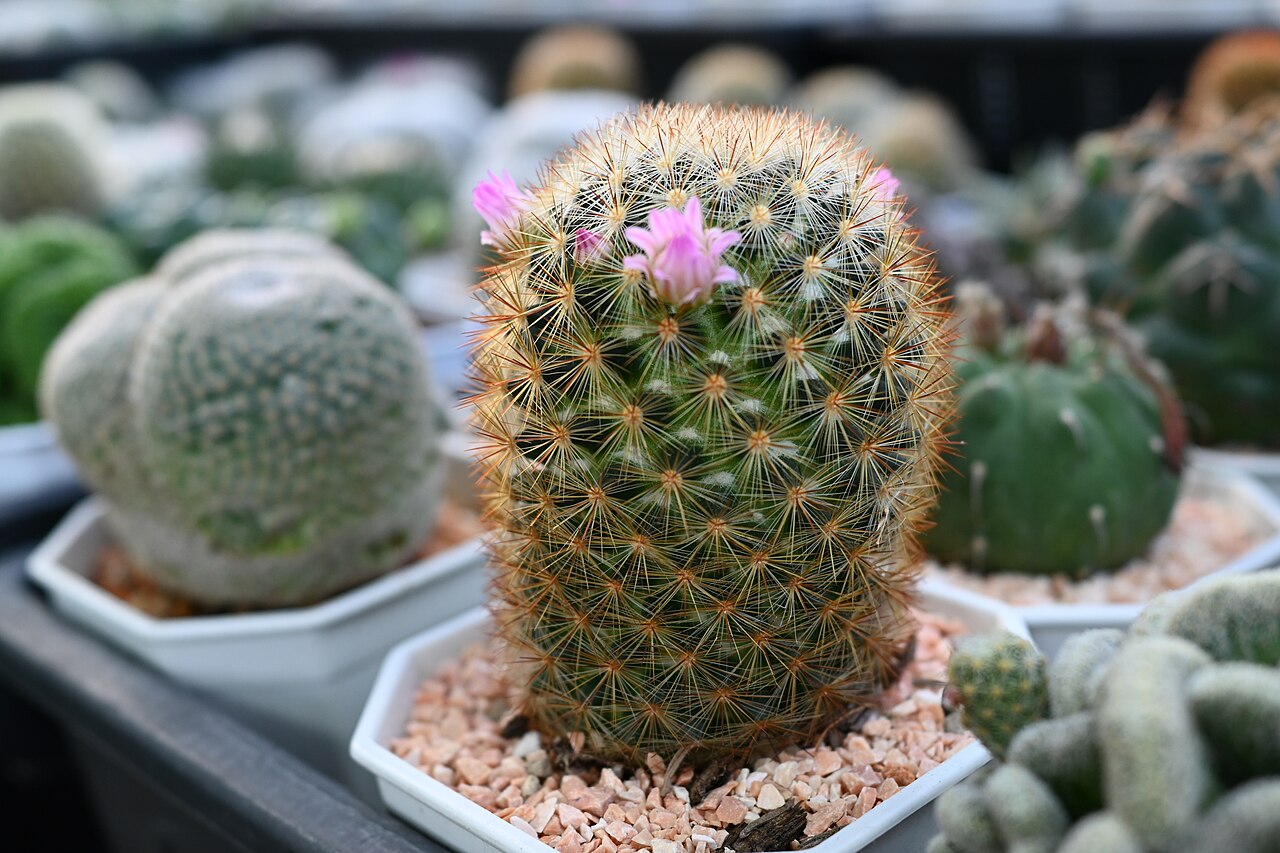
Photo: PattayaPatrol · Wikimedia Commons · CC BY-SA 4.0
A. They reduce water loss from the plant.
B. They take in extra water from the air.
C. They help the cactus make more food.
D. They help the cactus lose heat faster.
19.
The leaves of some plants that live in dry places are covered with a shiny, waxy layer.
How does this layer help the plant?
How does this layer help the plant?
A. It reduces the loss of water from the leaves.
B. It lets more light into the leaves.
C. It helps the plant absorb water from the soil.
D. It stops insects from landing on the leaves.
20.
The photograph shows a water lily growing in a pond. Its large, broad leaves float on the surface of the water, and its stems contain many air spaces.
How do the floating leaves help the water lily?
How do the floating leaves help the water lily?
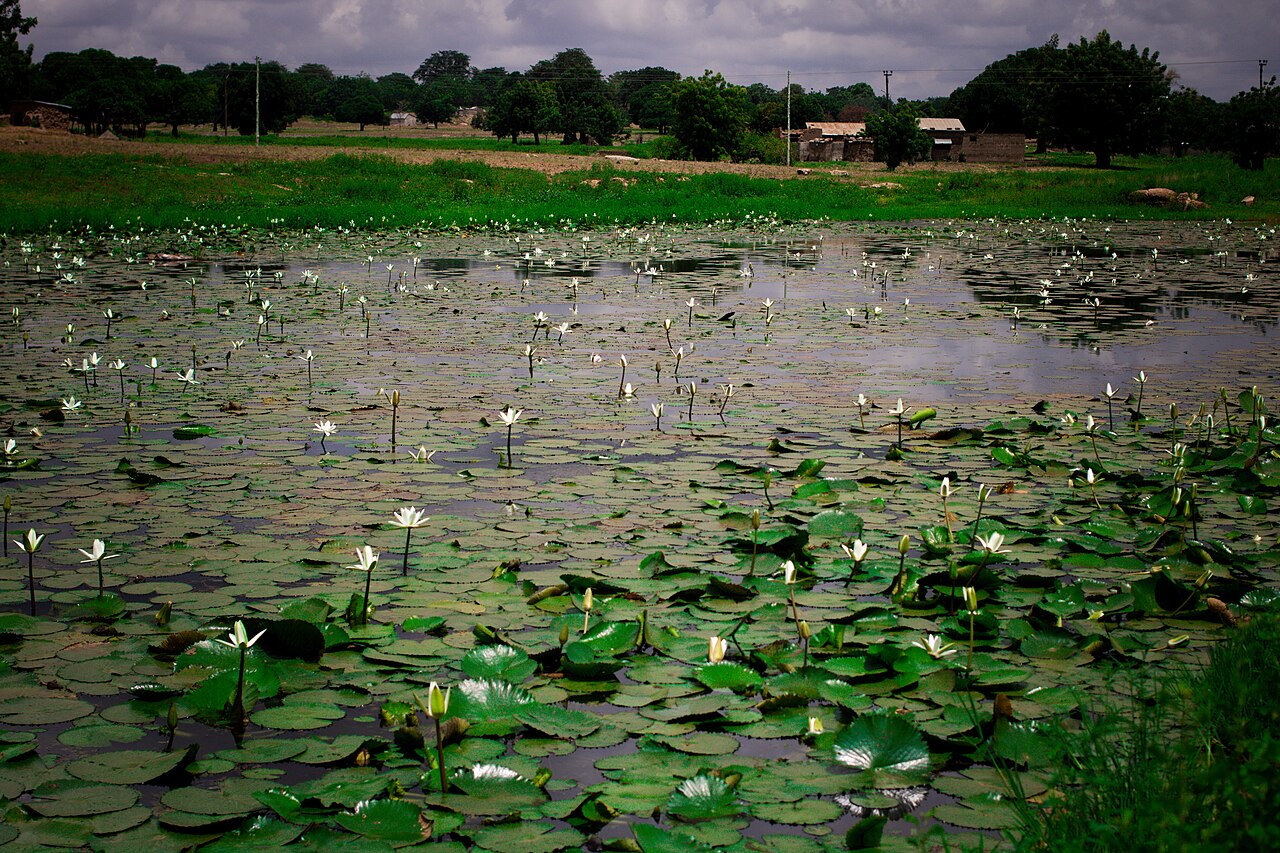
Photo: Ibrahim Achiri · Wikimedia Commons · CC BY-SA 4.0
A. They trap more light for the plant to make food.
B. They reduce the amount of water the plant takes in.
C. They help the plant lose water faster.
D. They stop the plant from being moved by the current.
Section B — Open-Ended (6 questions · 30 marks)
21.
The photographs show two plants that both grow in hot, dry places. Plant P has small sharp spines in place of leaves and a thick body. Plant Q has thick, fleshy leaves. The drawing shows how the roots of plant Q grow.
P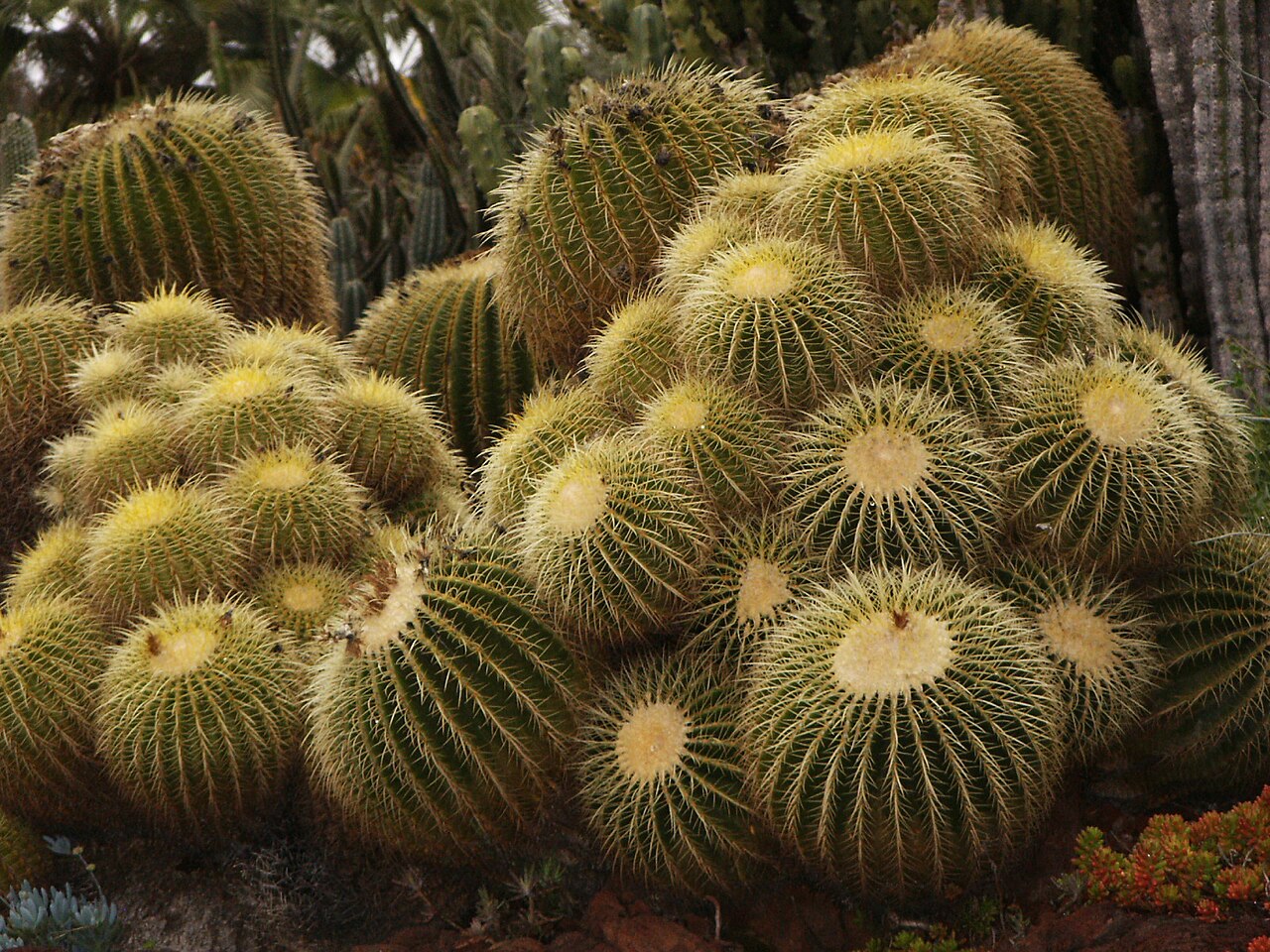
Q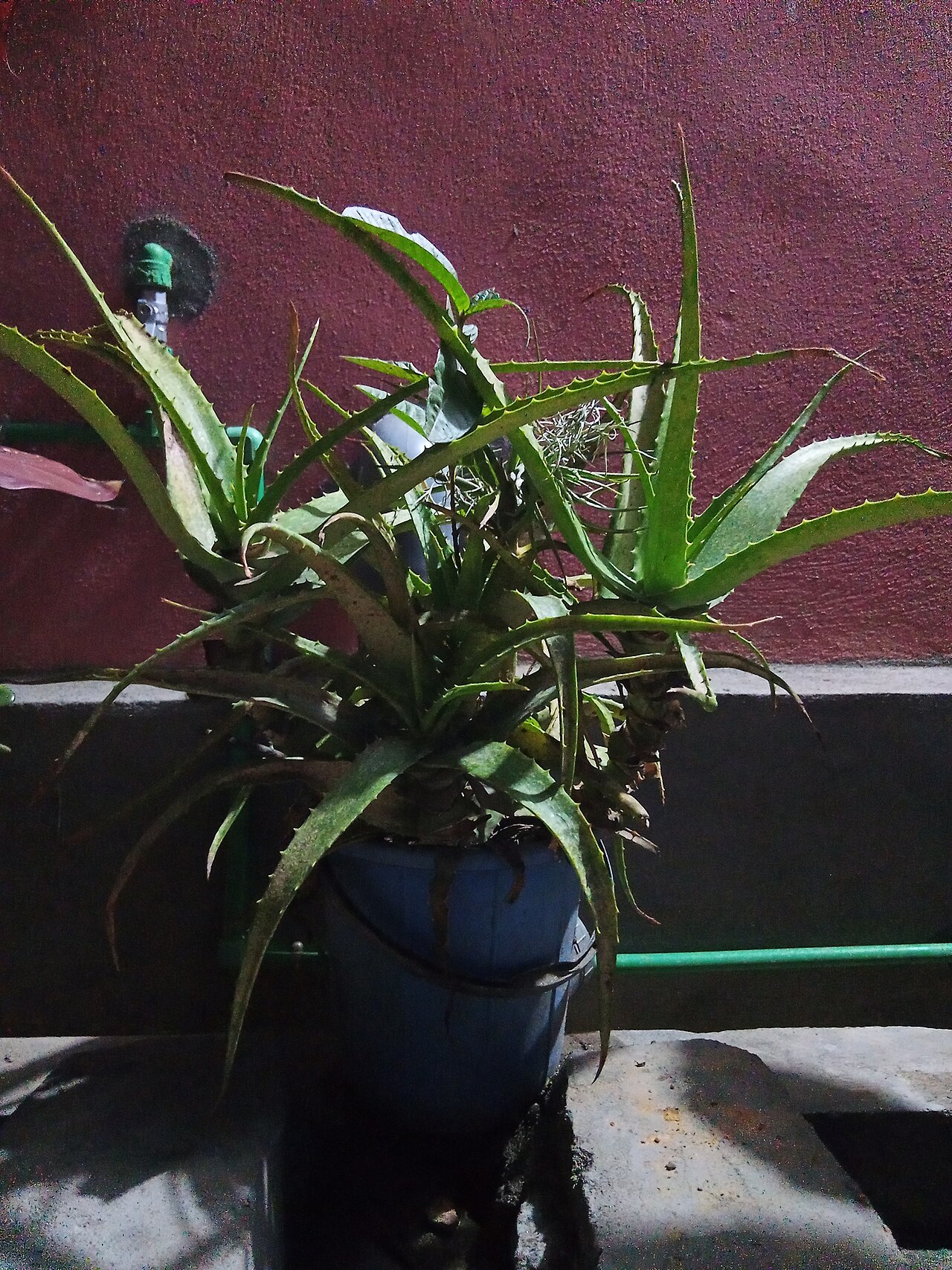
Photos: Pamla J. Eisenberg from Anaheim, USA (CC BY-SA 2.0); ApexDynamo (CC BY-SA 4.0) · Wikimedia Commons
a
State the type of adaptation shown by the spines on plant P. [1]
b
Explain how the spines help plant P to survive where it grows. [2]
c
Explain how the deep roots help plant Q to survive in a dry place. [2]
22.
Four animals of the same size live in different places. The chart shows the thickness of the blubber layer each animal has and the amount of heat it loses each hour.
a
Which animal lives in the coldest place? Give a reason for your answer. [2]
b
Explain how a thick blubber layer reduces heat loss from an animal's body. [2]
c
An animal with 1 cm of blubber lost 90 units of heat in an hour. Predict what happens to the heat it loses if its blubber layer becomes 3 cm thick. [1]
23.
A pupil wanted to find out how camouflage works. She used counters in three shades — light, mid-grey and dark — and scattered seven of each shade on a light cloth and then on a dark cloth. (The drawing shows the counters in grey, so that the shades can be told apart when this sheet is printed in black and white.) A classmate looked at each cloth and picked up as many counters as she could in 20 seconds, and the pupil counted how many of each shade she had taken.
| Cloth | Light counters | Mid-grey counters | Dark counters |
|---|---|---|---|
| Light cloth | 2 | 5 | 7 |
| Dark cloth | 7 | 5 | 2 |
a
Which shade of counter was picked up most often on the light cloth? [1]
b
Explain your answer to (a). [2]
c
State one way the pupil made this test fair, and explain why it matters. [2]
24.
The photographs show two plants, P and Q. Plant P grows in a pond and its leaves float on the surface of the water. Plant Q is growing on dry land, in a pot.
P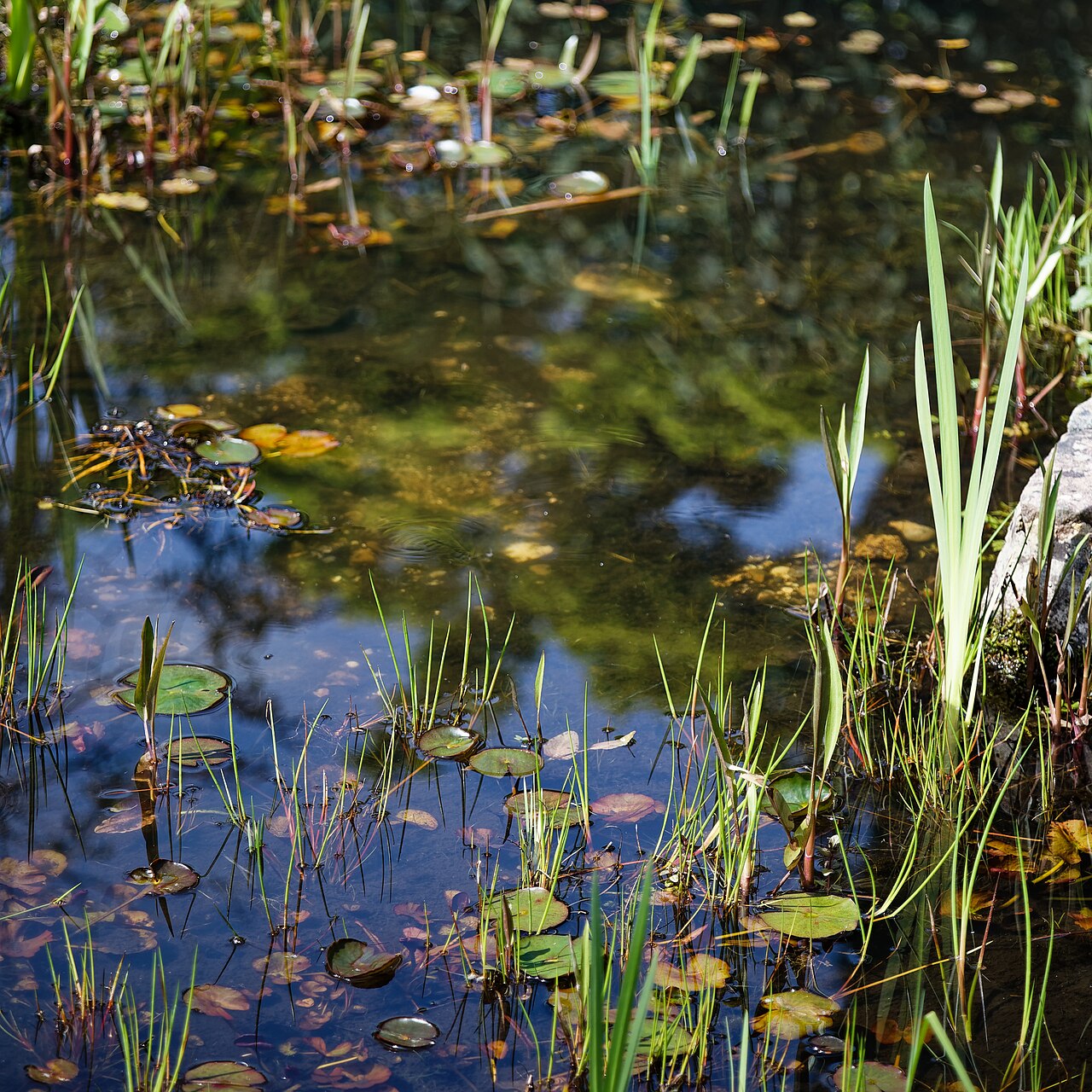
Q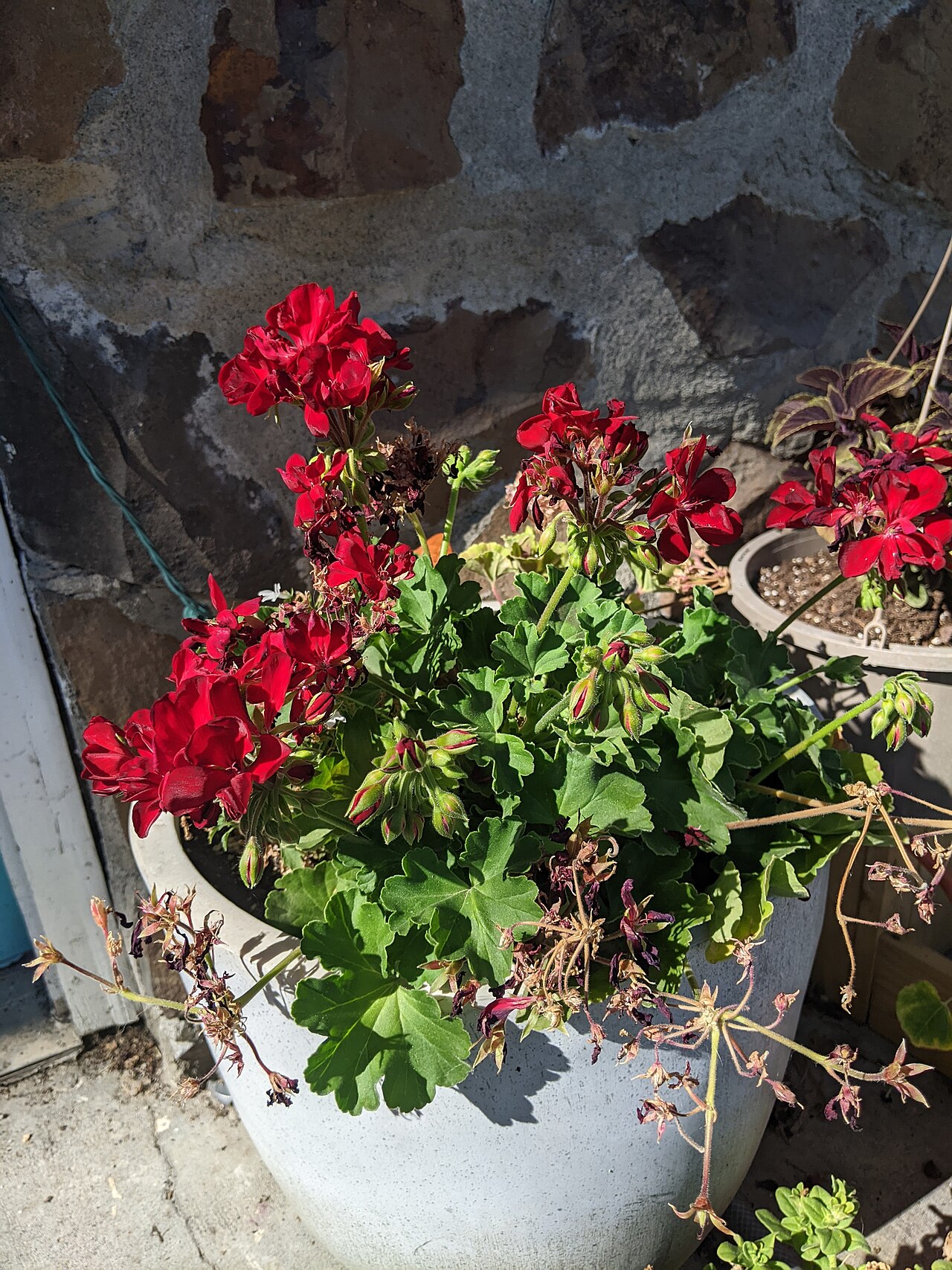
Photos: Acabashi (CC BY-SA 4.0); Bobjgalindo (CC BY 4.0) · Wikimedia Commons
a
Which plant, P or Q, is the water plant? Give one reason you can see in the photographs. [1]
b
Plant P has many air spaces inside its leaf stalks. Explain how these air spaces help the plant to survive in the pond. [2]
c
Why do the roots of plant P not need to spread far? [2]
25.
The first four photographs show the heads of four birds, P to S. The last photograph shows a bird called X, standing on a stone at the edge of a pond. Bird X has long toes that are not joined together by webbing.
P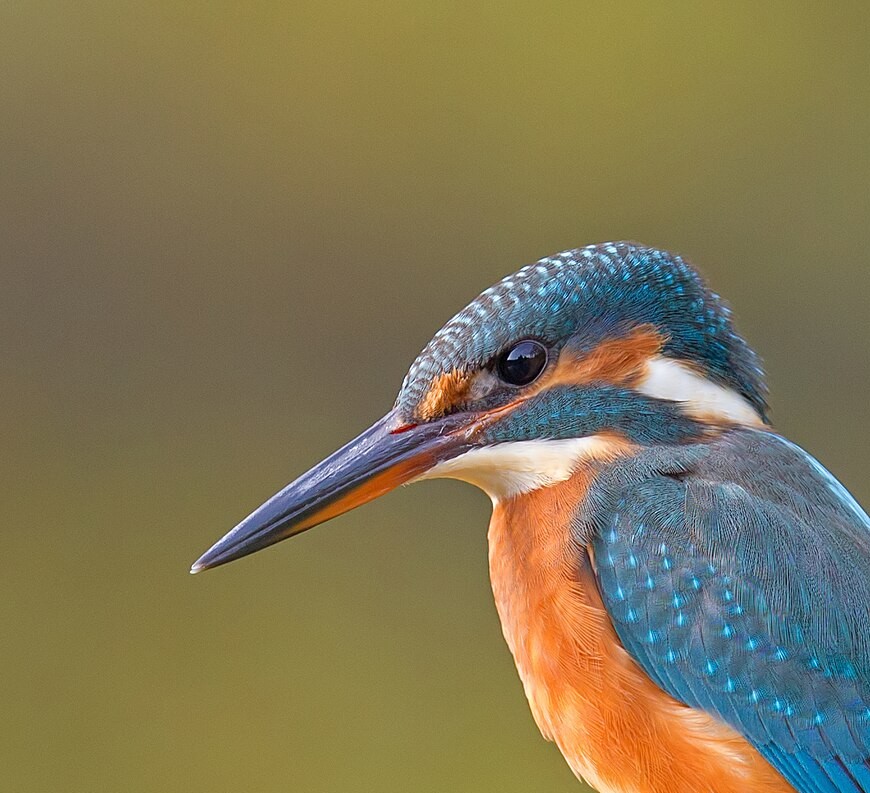
Q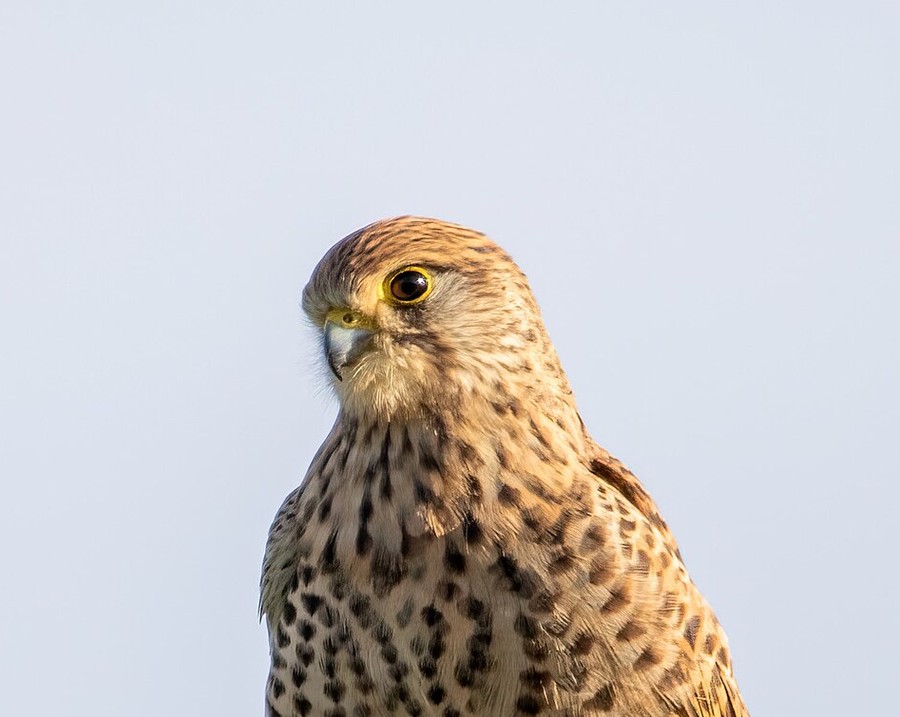
R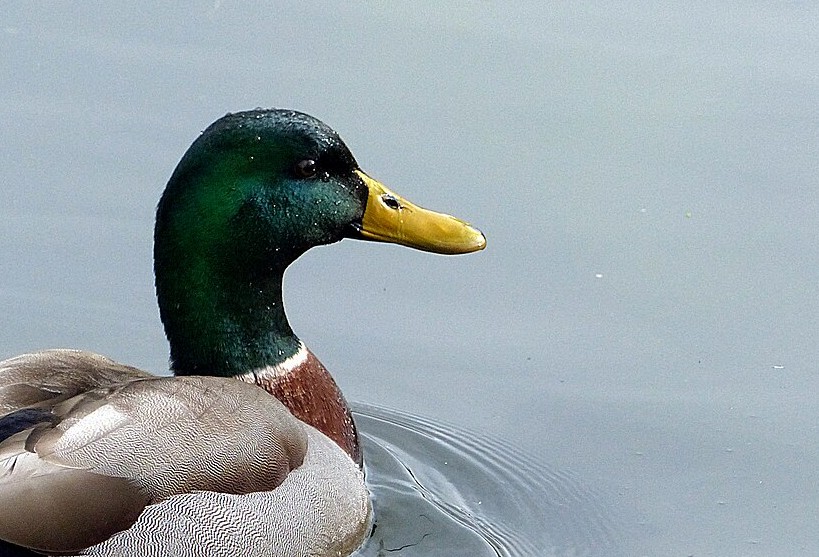
S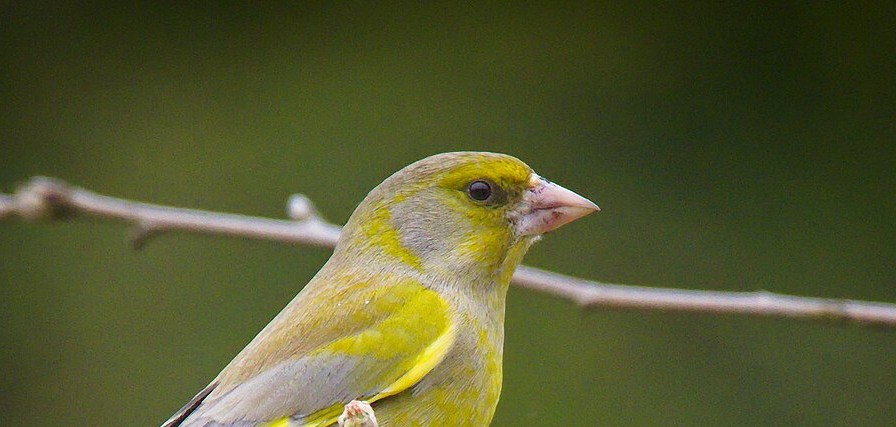
Photos: Andreas Trepte (CC BY-SA 2.5); Alexis Lours (CC BY 4.0); Bernard Spragg. NZ from Christchurch, New Zealand (CC0); hedera.baltica from Wrocław, Poland (CC BY-SA 2.0) · Wikimedia Commons
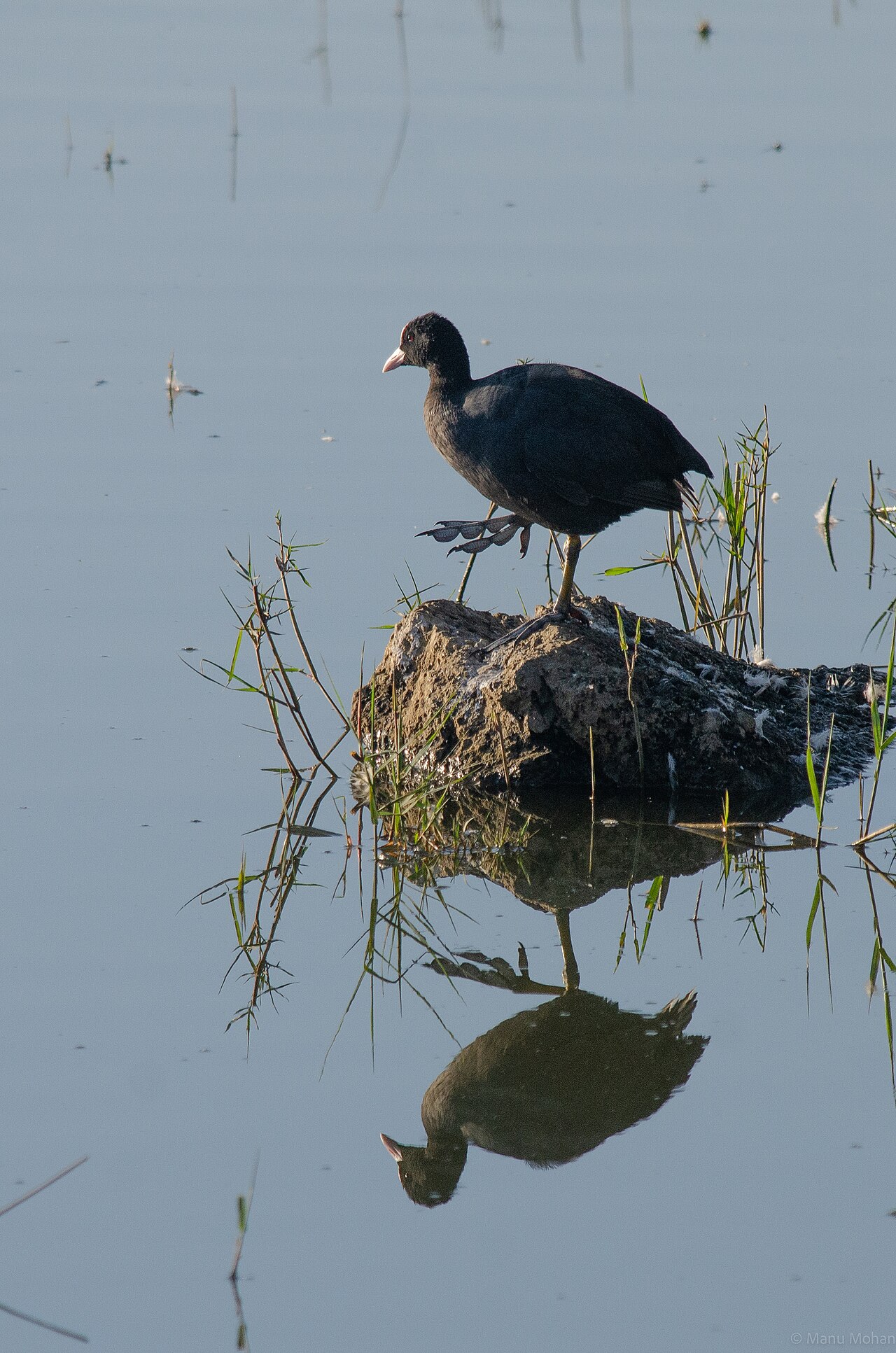
Photo: Manu.mohan · Wikimedia Commons · CC BY-SA 4.0
a
Which bird, P, Q, R or S, would you expect to feed on hard seeds that it has to crack open? Give a reason for your answer. [2]
b
Bird Q uses its beak to tear the flesh of small animals. Explain how the shape of beak Q suits this. [2]
c
What do long toes that are not joined together tell you about where bird X feeds? [1]
26.
The table describes four organisms and one adaptation of each.
| Organism | Adaptation |
|---|---|
| W — a cactus | a thick, fleshy stem that stores water |
| X — a clam | closes its shell tightly at low tide |
| Y — a durian tree | a thick, spiky husk around each fruit |
| Z — a fish | a slimy, streamlined body |
a
Which of the four organisms shows a behavioural adaptation? Name it, and explain why that adaptation is behavioural. [2]
b
Name one structural adaptation from the table, and say which organism has it. [1]
c
A predator passes an animal that lies completely still and looks dead. Explain why lying still benefits the animal. [2]
Each photograph is credited under its figure with the photographer and the licence. Licences used: CC BY-SA 2.0 and CC BY-SA 4.0 (creativecommons.org/licenses/by-sa/2.0 · /by-sa/4.0). The bird photographs have been cropped to show the beak. Three figures are drawn for this worksheet, because a photograph cannot show them: the roots below the soil, the bar chart of the results, and the counters set-up (drawn in shades of grey, so it still works when printed in black and white).